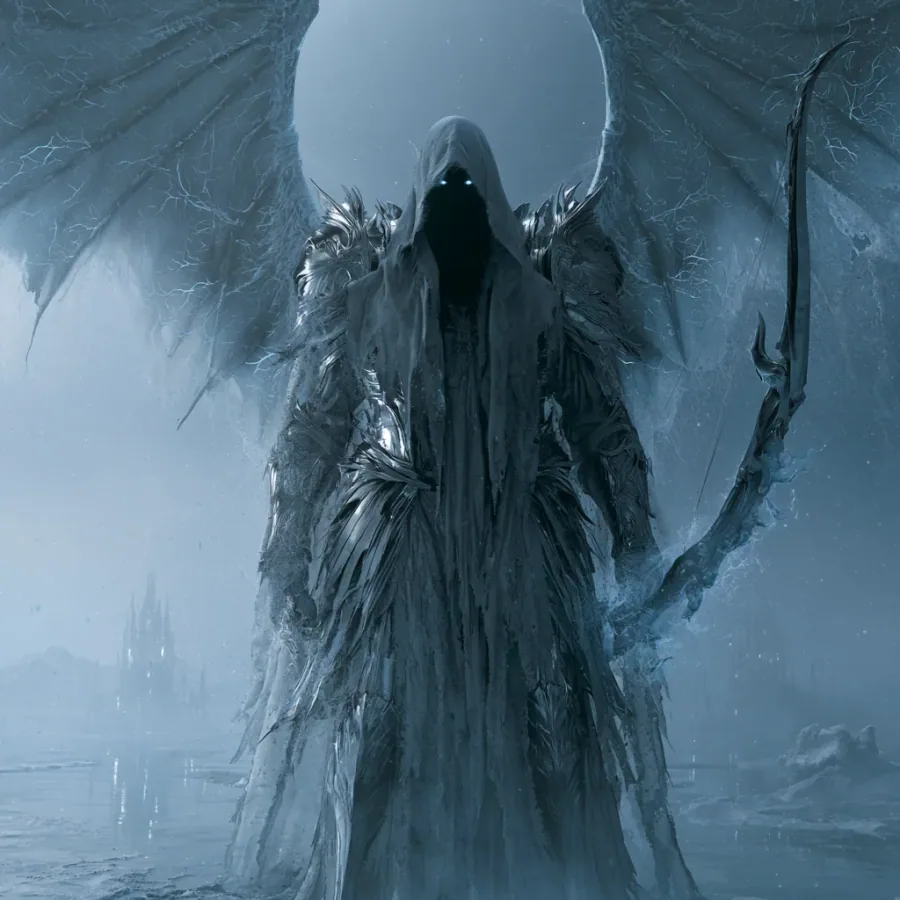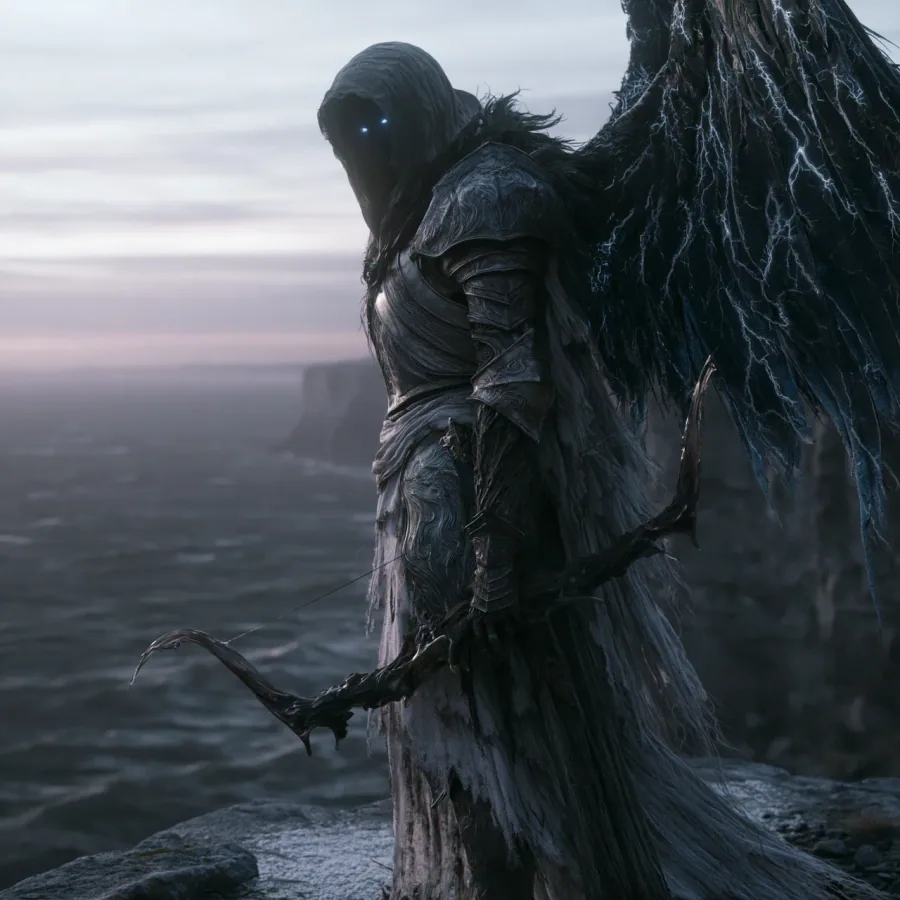
Accora was the world of Dremenus, Archangel of Water — patient enough to suit its keeper, and patient in ways the other worlds, in their faster centuries, had grown unable to recognise as patience at all. Slow tides. Slower councils. Threats ended at long range, by an arrow drawn once and released without ceremony, and worlds that did not need to be told they had been defended.
The geography
Accora was a world of long shallow seas and low coasts, of rivers that ran wide and not deep, of long flat deltas in which fishing villages had stood, in the same families, for many generations. Its weather was mild. Its tides were the longest in any of the celestial worlds — a single tidal cycle ran nearly two days, in the rhythm Dremenus had been keeping with the world since its making. The mortals of Accora measured their days not by the sun but by the tide. They were, accordingly, a people who counted slowly.
Its inland was rolling. Its mountains were old. Its forests were not the dark forests of Celesterra but the long thin stands of the riverlands, in which a traveller could see, on most days, several miles in any direction. Accora was a world that had not, in any of its kingdoms' centuries, kept a secret well. The land, the chronicler implies, did not afford it.
The councils
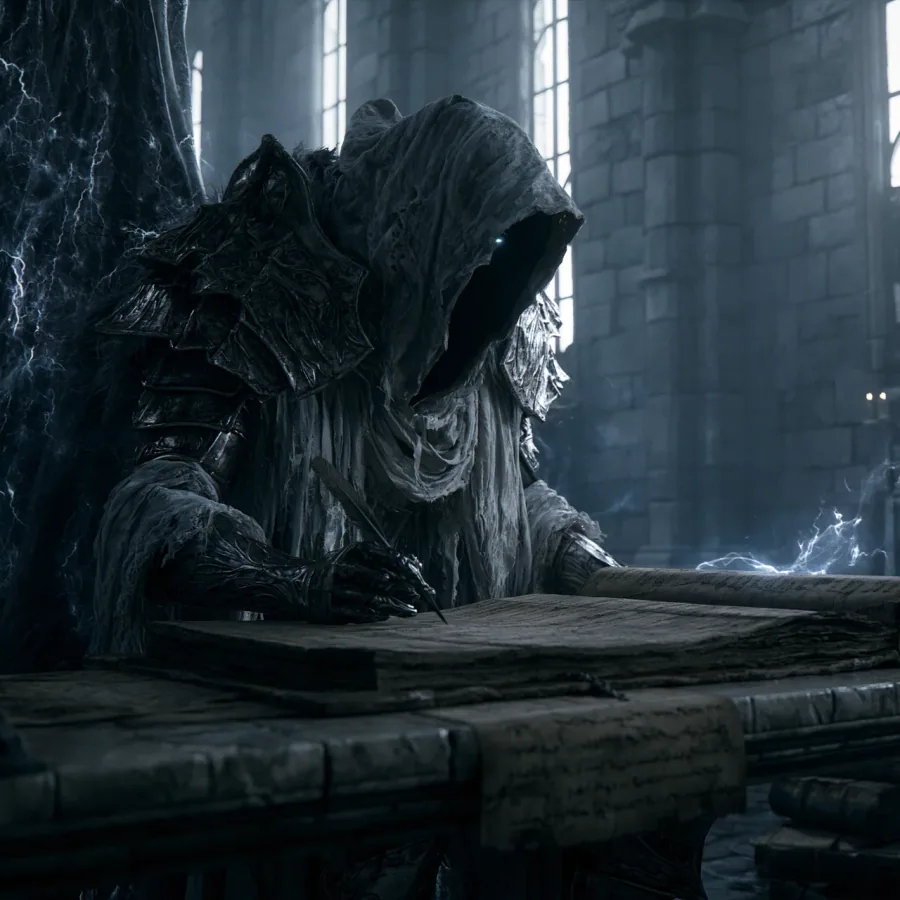
Accora's mortal kingdoms — and there were several; the world had not, in its long history, been unified — governed by councils. The councils were slow. A typical council of one of the larger kingdoms would meet for nine days continuously, during which any single councillor might speak only once, and at the end of which a decision would be issued in a single sentence whose drafting had often taken three of the nine days alone. The kingdoms of Accora did not, in any reasonable comparison, get more done in a year than the kingdoms of Celesterra. They got, the chronicler suspects, fewer things wrong.
Dremenus's keeping
Dremenus had kept the world for as long as the world had needed keeping, which was longer than the chronicler's century. He had not, in that long keeping, fought a war on Accora that the mortals of Accora knew of. He had ended threats at long range, the chronicler is permitted to record, by mechanisms that did not require the threats' arrival on the world: a tide that did not rise, a fever that did not spread, a pirate fleet that lost its course and never reached the coast it had set out for. Accora had been defended in the way Dremenus preferred to defend — by removal of the cause, not by management of the symptom. The mortals of Accora had not, in the chronicler's view, ever quite understood how heavily their world had been kept. They had simply lived in a world that had not, in any of their generations, been seriously threatened.
Stance toward the chronicle
Accora was the chronicle's quiet counterexample. Where Celesterra had been allowed to forget its keeper across a long inattentive century, Accora had simply never been given cause to remember. The world's mortal councils did not, in the chronicle's S6 through S20, debate the warlock; the warlock was not their problem, and Dremenus had not made him their problem. When Dremenus left Accora in S12 to walk a southern cliff of Vornholt, in the form of his angel Kael of the Bowmen, the world's councils did not register the absence. The tides held. The councils met. The world, in the keeper's brief absence, kept itself.
By S20, when Grandex would attack Dremenus in plain fury on Kolonoth, and Dremenus would simply move out of the way of every strike, the chronicler is careful to observe that the discipline behind the moving had been, for centuries, the discipline of Accora — the long patience of a world that had been kept by being given nothing to react to. Dremenus had not learned this discipline for the warlock. He had been practising it on a world of slow tides and slower councils for longer than any of the kingdoms of the chronicle had existed.